Prismatic Transparency
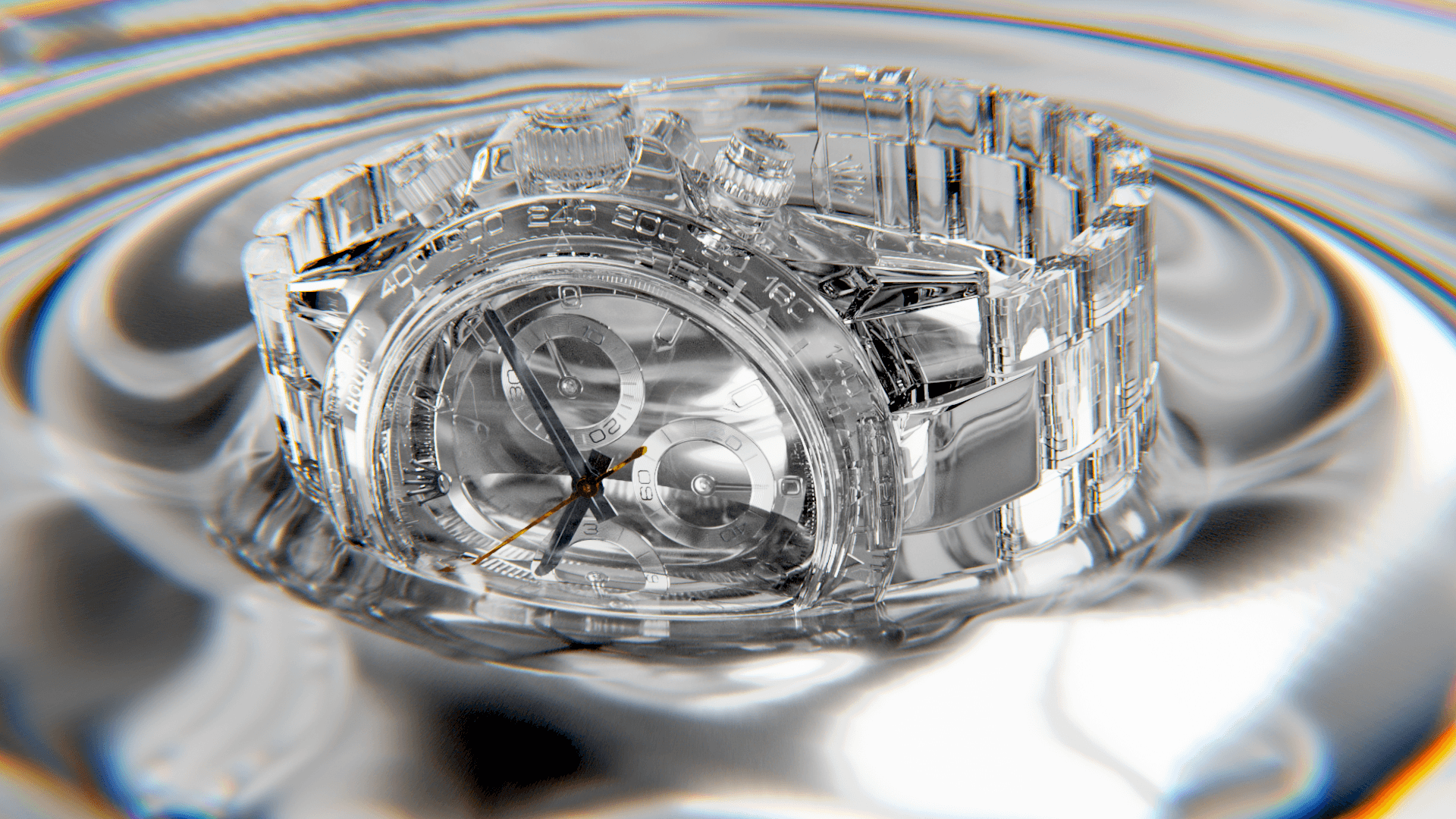
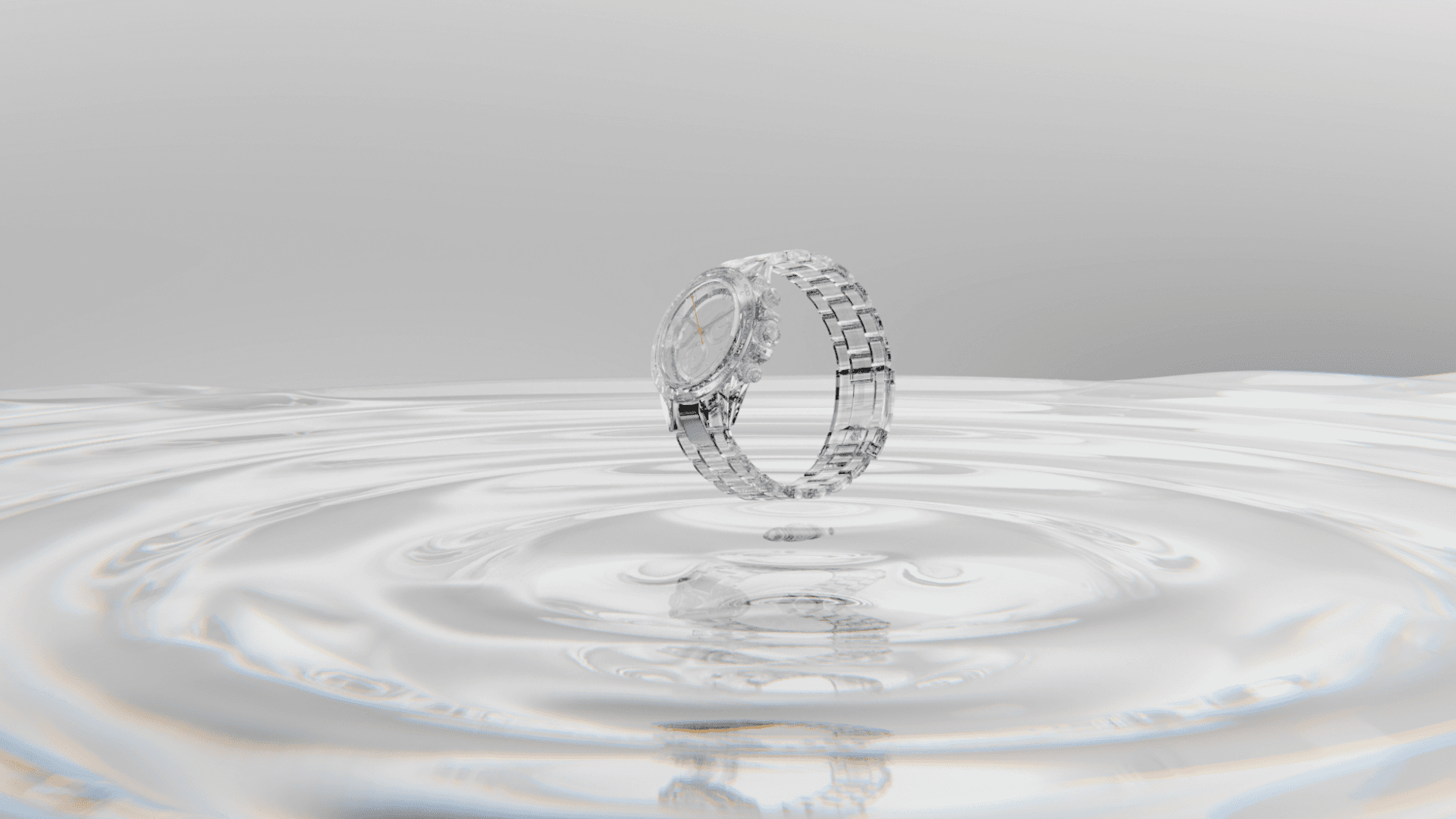
A technical study of light through sapphire — refraction, caustics, and prismatic dispersion rendered at horological precision.
Year
2025
Scope
3D Design & Shader Development
Client
Self-initiated
Duration
1 month
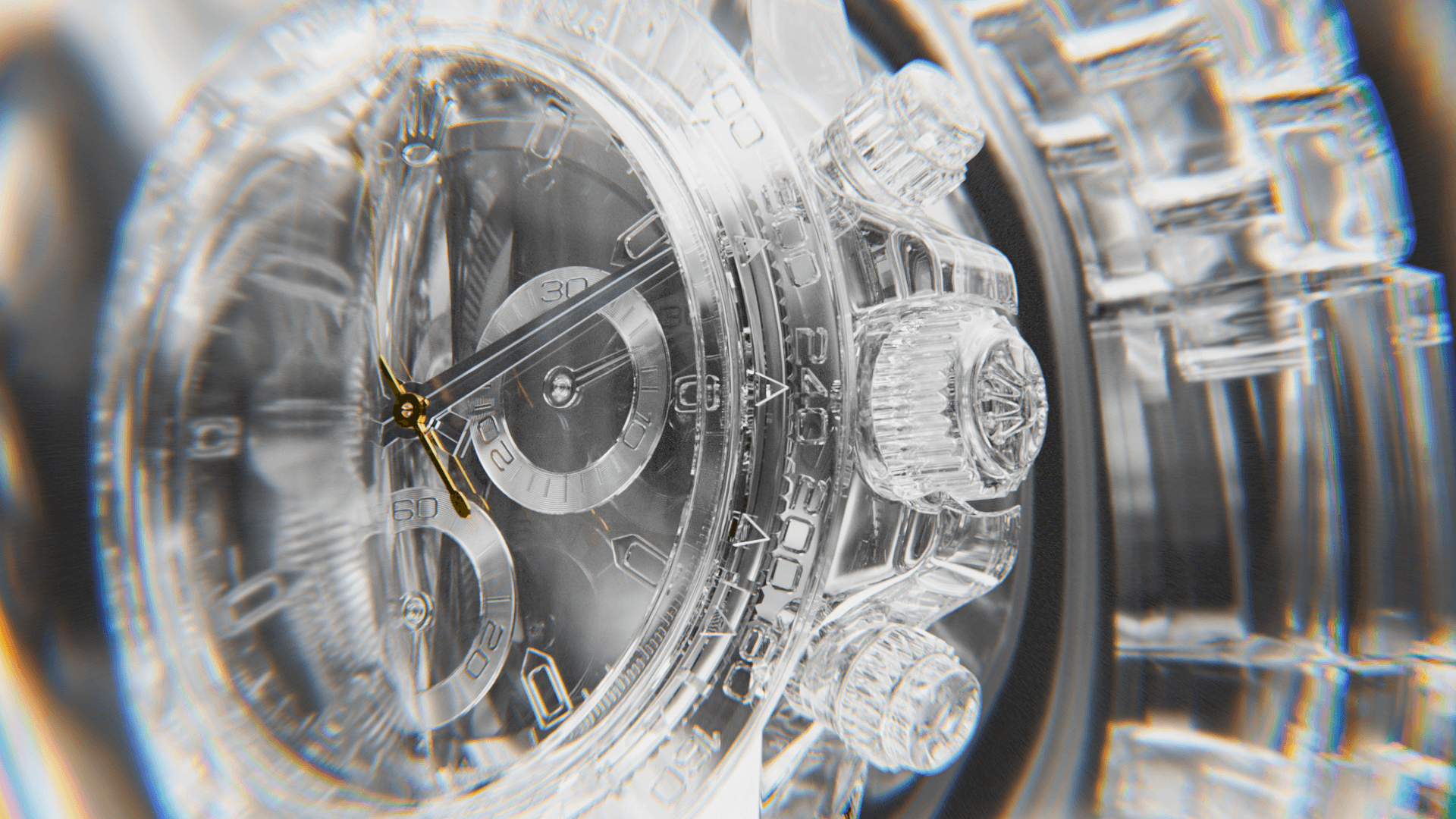
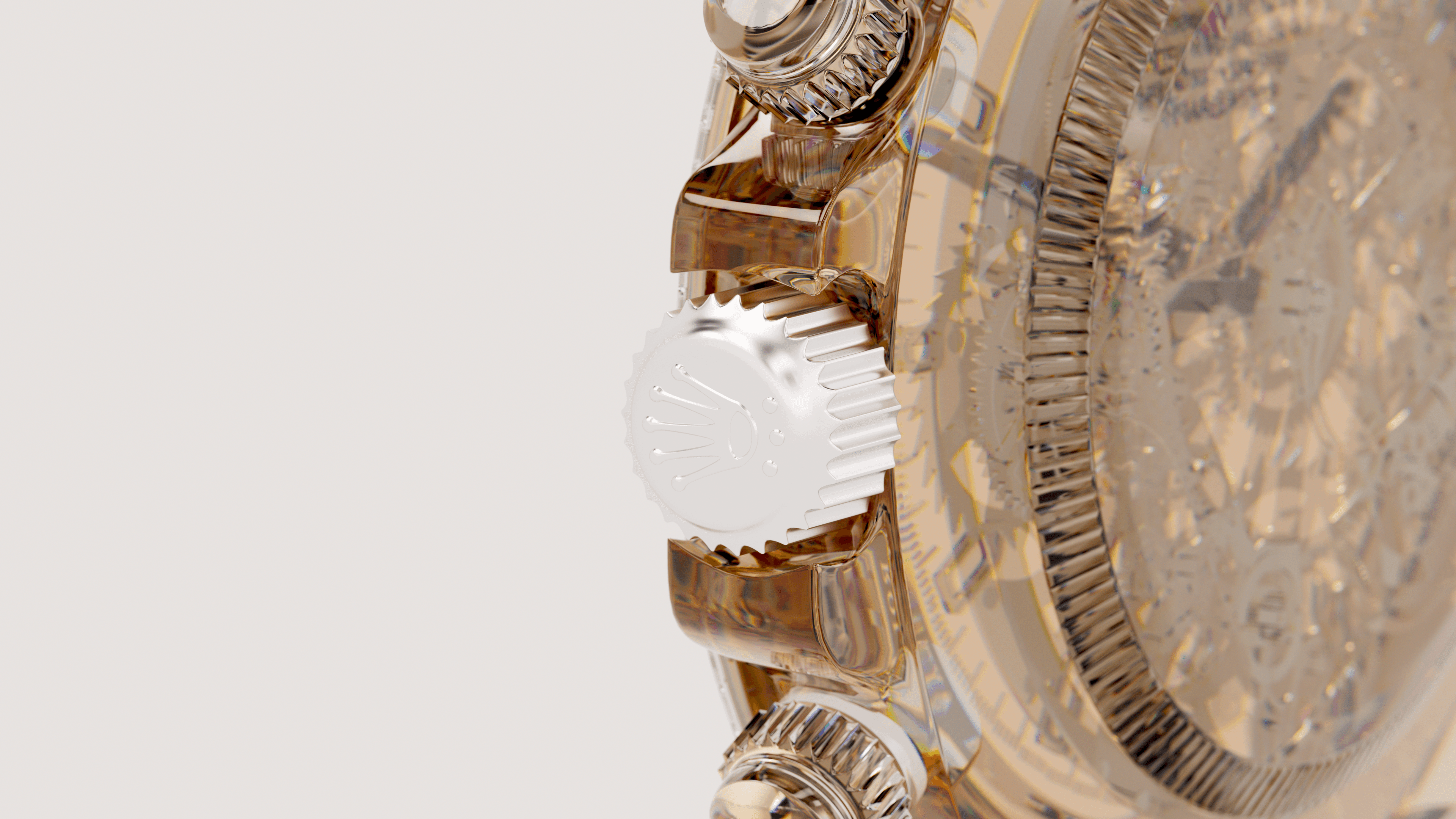
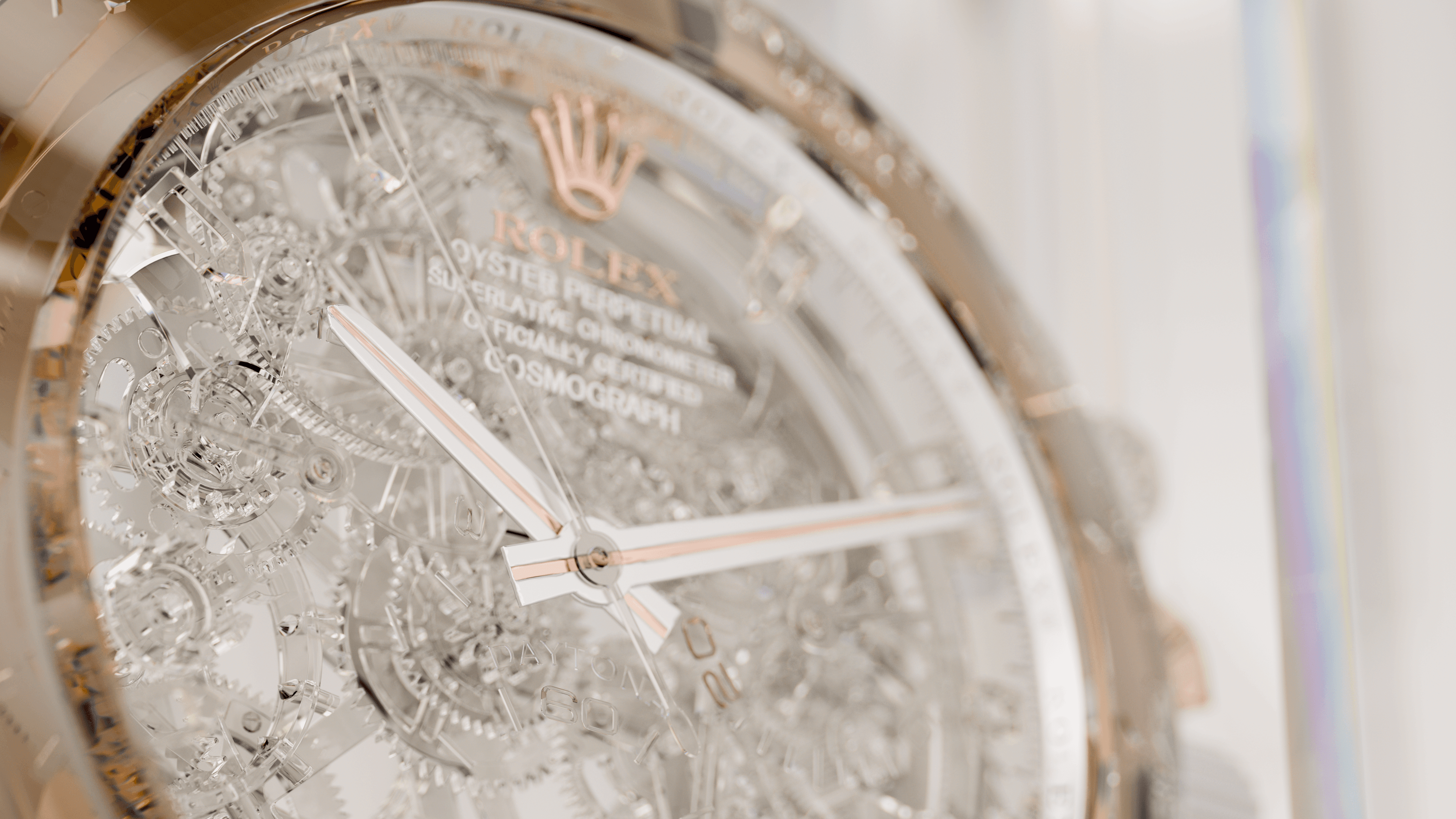
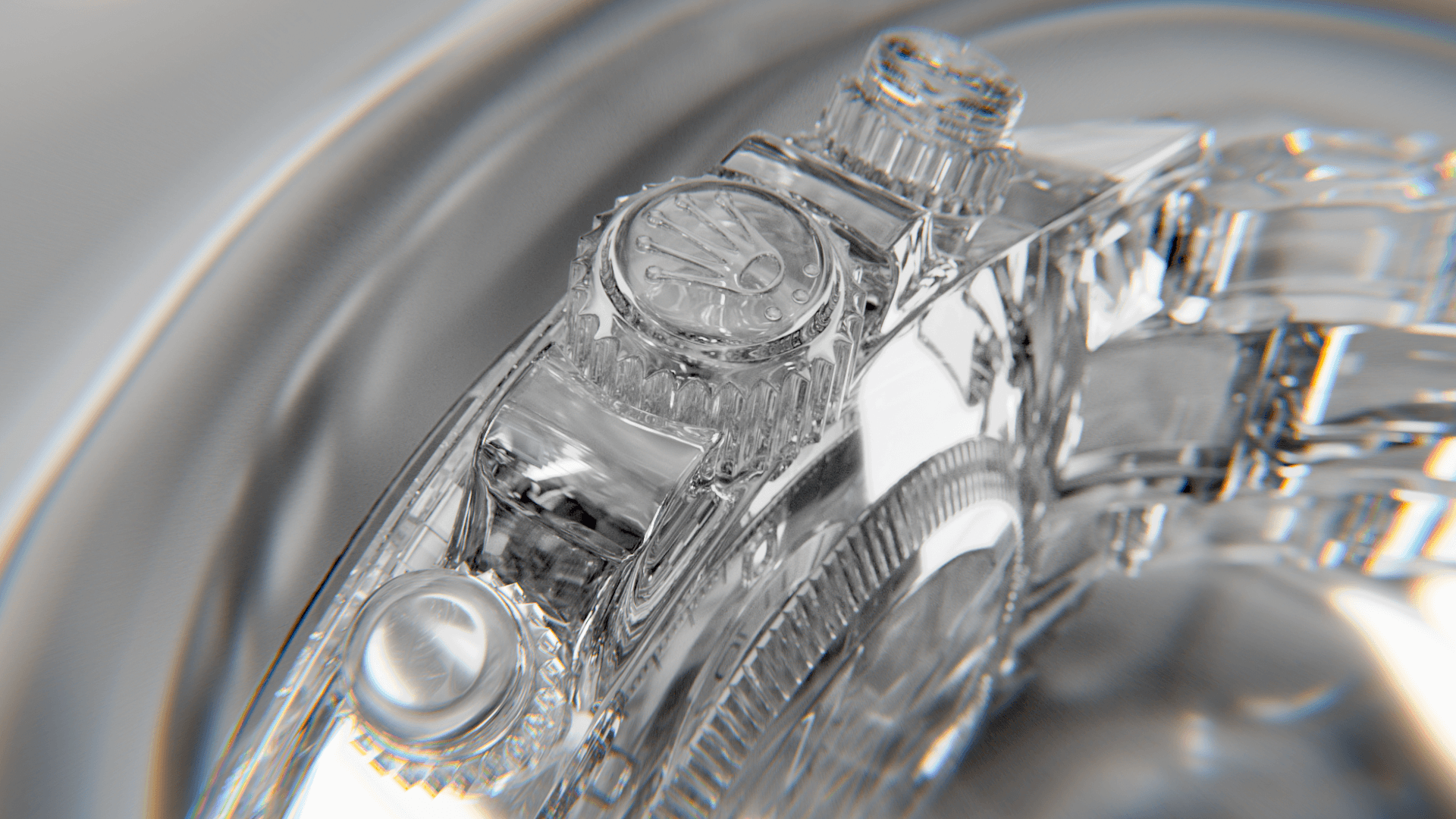
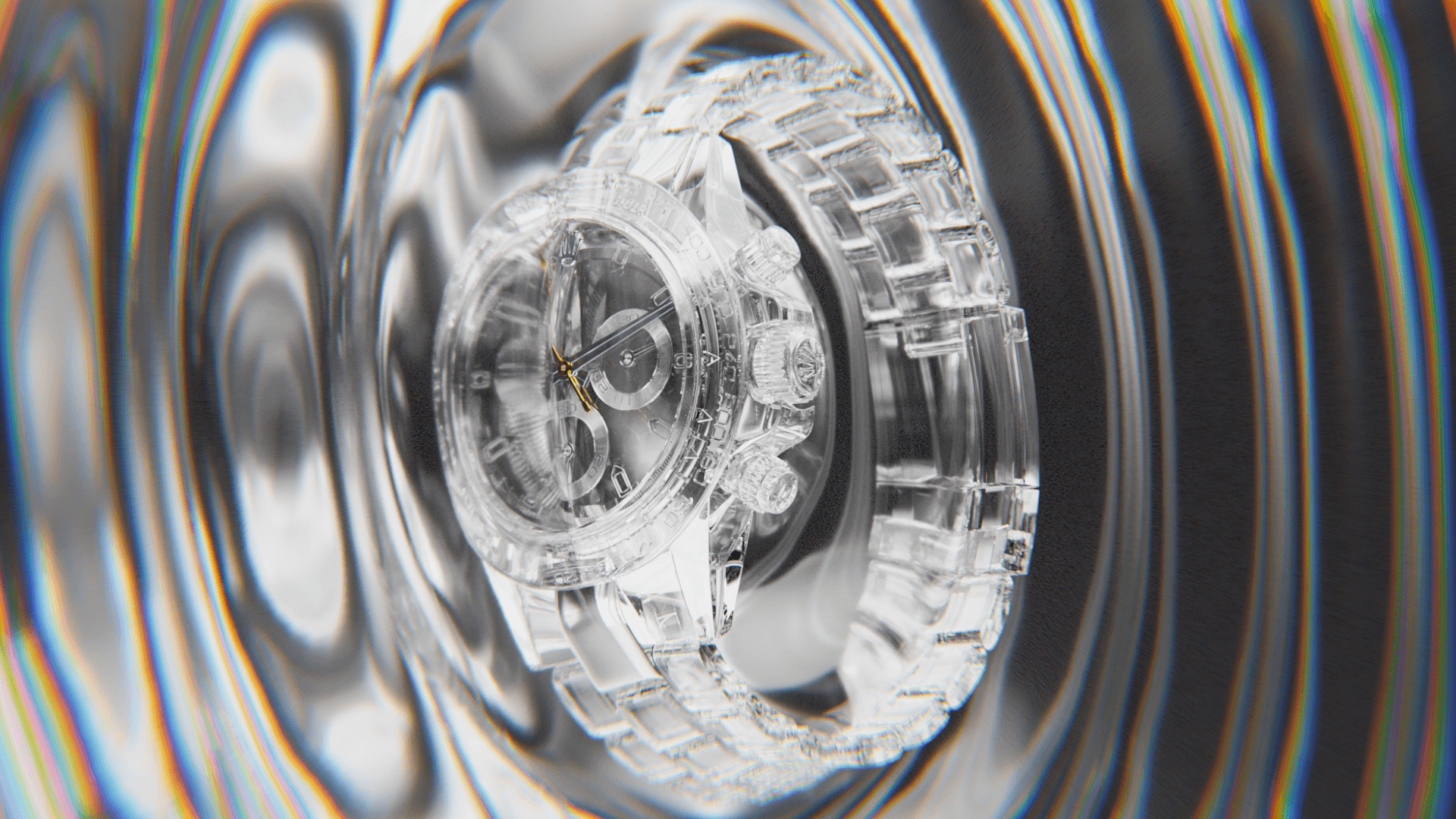
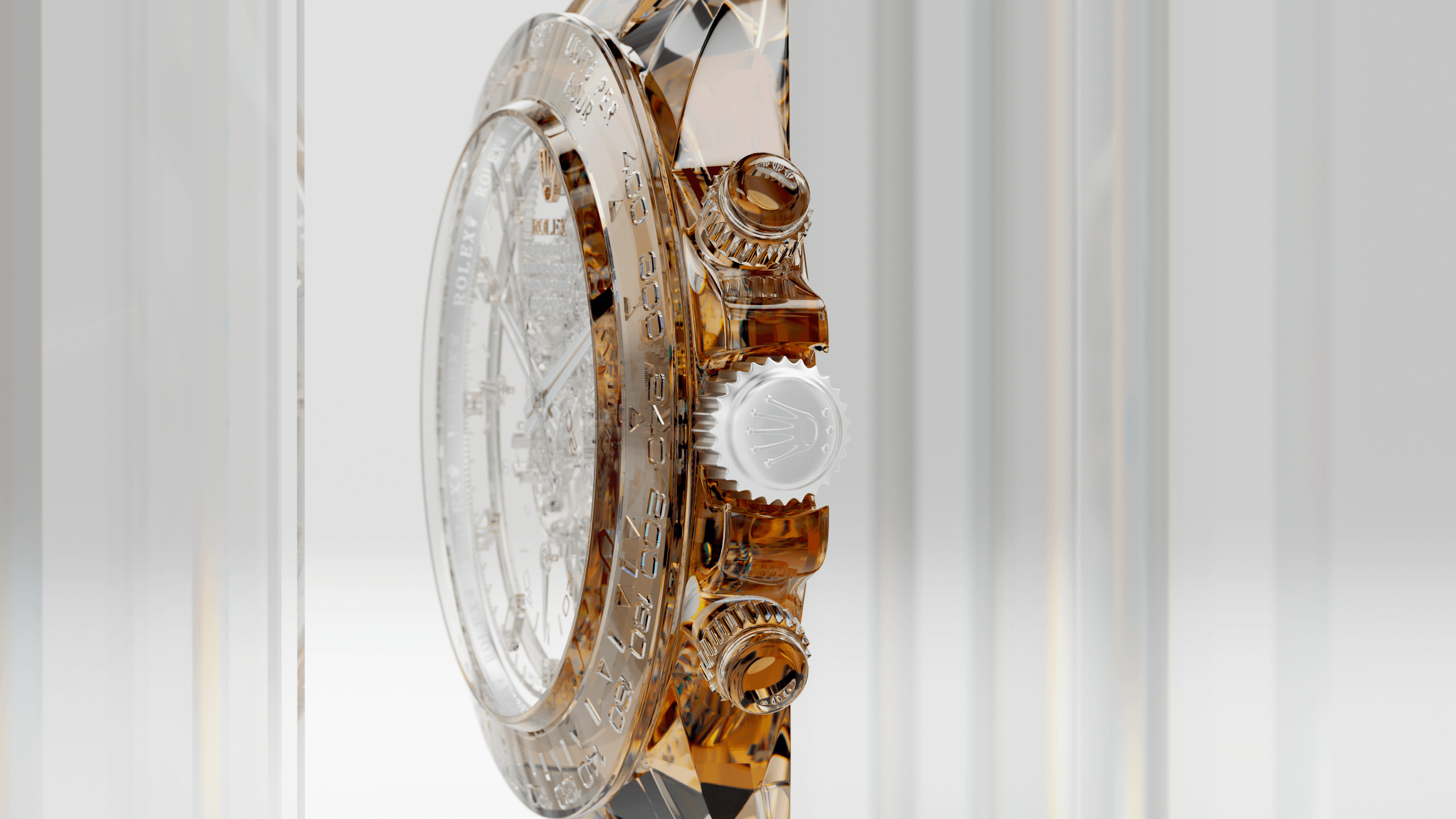
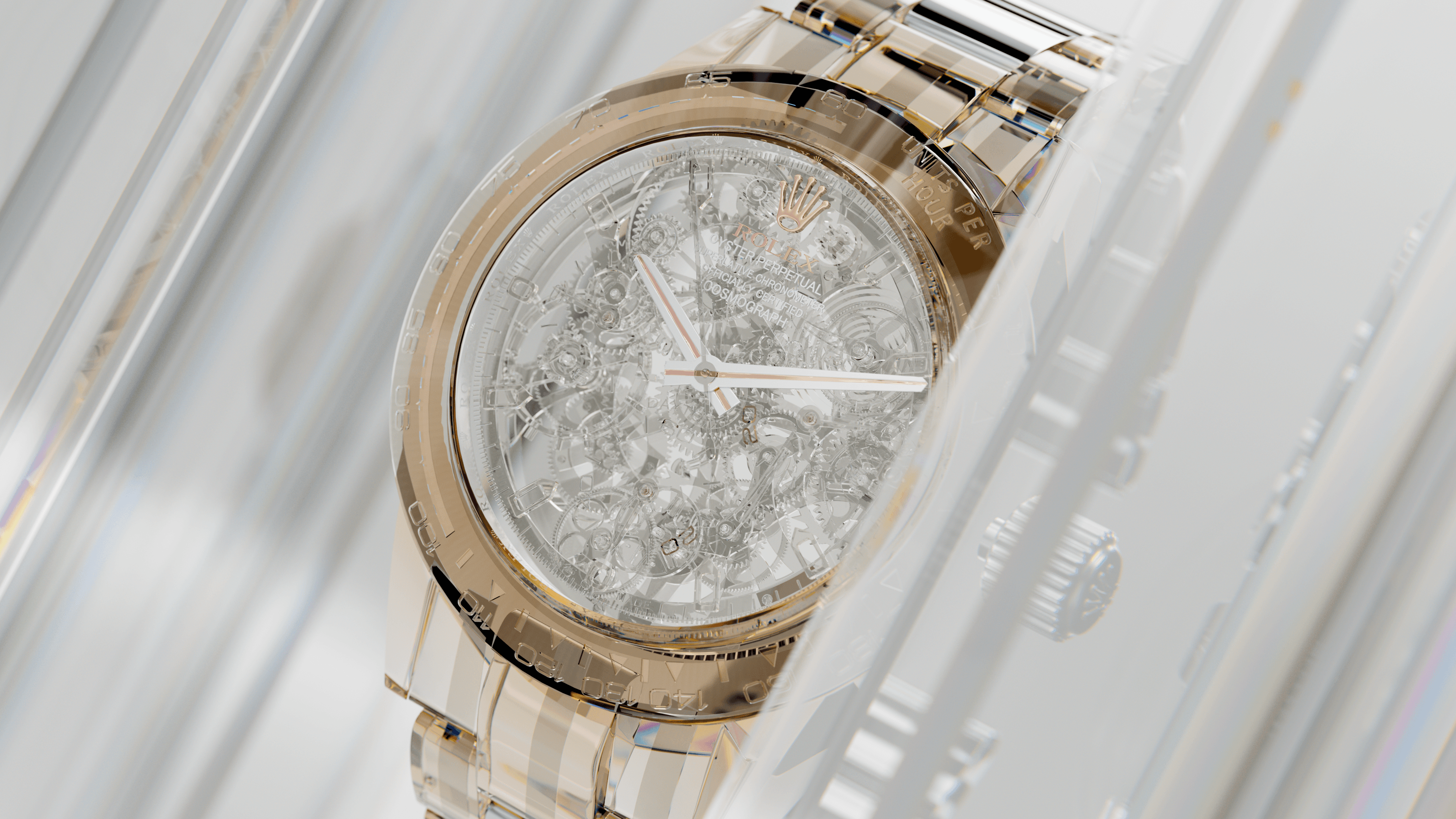
A deep-dive into what happens when light enters horological-grade sapphire and refuses to behave. This project treats chromatic aberration not as a rendering flaw, but as a fingerprint of authenticity — the proof that the material is real, dense, and precisely cut.
Challenge
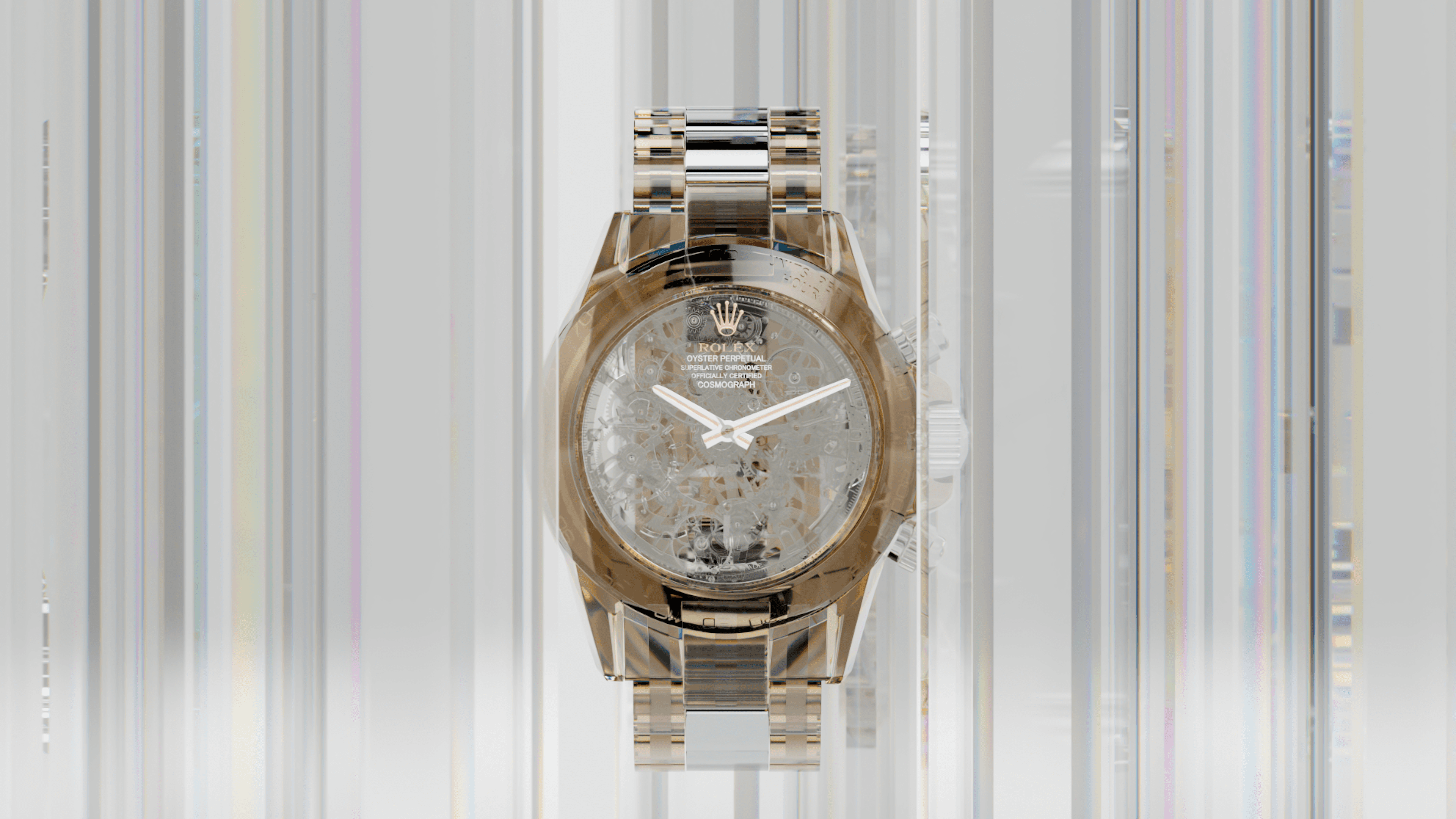
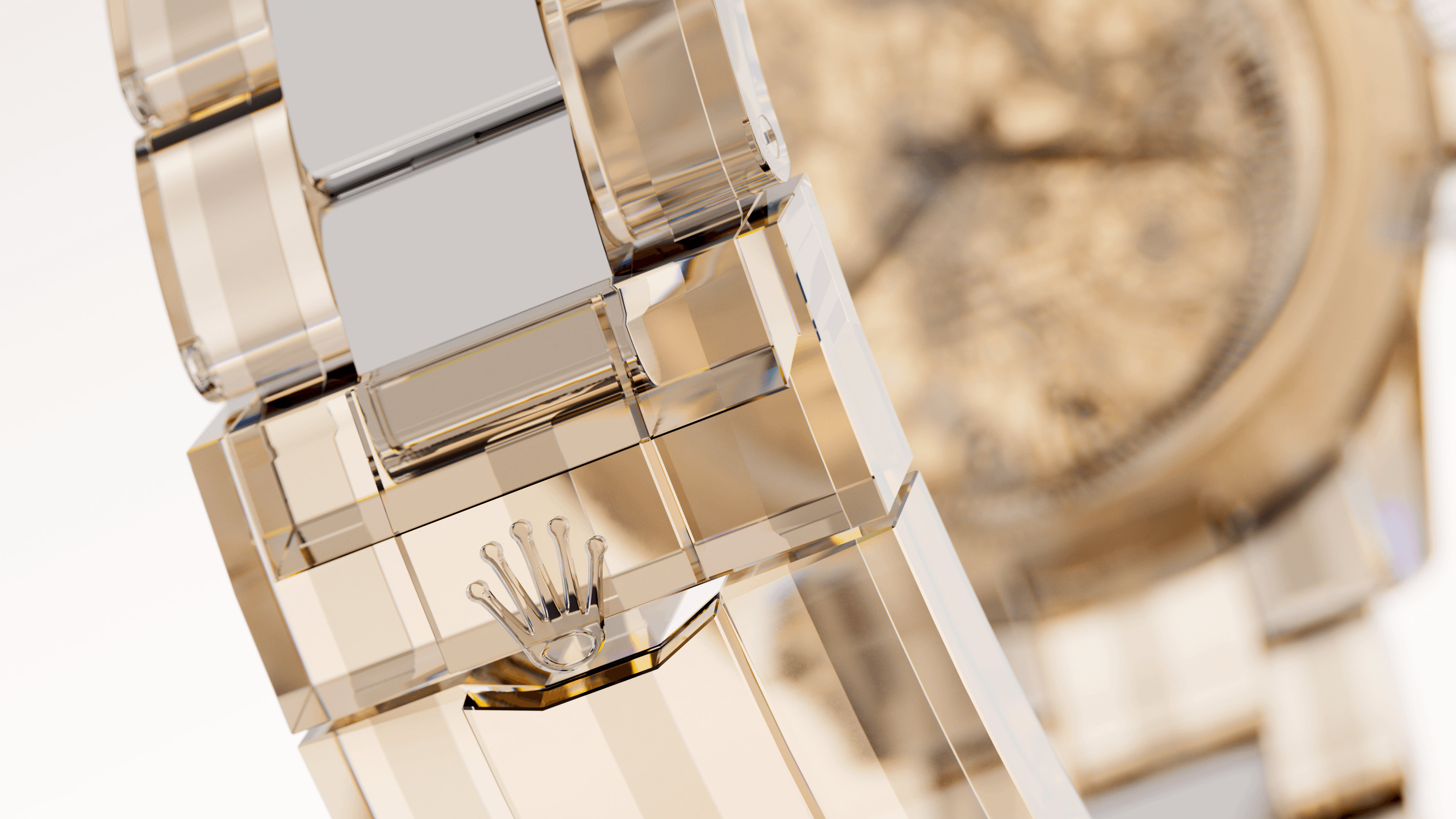
Simulating the full optical chain: refraction through multi-layered sapphire structures, caustic patterns cast onto dial surfaces, and spectral dispersion at bevel edges. Every shortcut in the shader pipeline would be visible — transparent materials expose everything.
Solution
High-fidelity PBR shaders built to replicate the specific density and clarity of horological-grade crystal. Advanced caustic simulation, precise control of the prismatic split, and a rendering philosophy where the light does the storytelling — no post-processing, no compositing tricks.